State Hiring Accessibility and Modernization
Plain English Summary
This bill modernizes North Carolina's state hiring system by reducing educational barriers to state jobs, streamlining job applications, simplifying job postings, and giving state agencies more flexibility in recruiting, hiring, and compensating employees. It also allows agencies to hire temporary employees permanently and rehire qualified candidates from previous postings without reposting positions.
Arguments in Favor
Supporters argue this bill removes unnecessary barriers that prevent qualified workers from applying for state jobs, particularly those with practical experience from military service, apprenticeships, or trade schools instead of four-year degrees. They contend the changes make the state a more competitive employer by speeding up hiring, reducing application burdens, offering sign-on bonuses, and allowing agencies to fill critical positions faster, ultimately improving government efficiency and service delivery.
Arguments Against
Opponents may be concerned that reducing posting requirements and allowing direct hiring of temporary or previously-interviewed candidates could weaken merit-based hiring protections and transparency in government employment. They might also worry that giving agencies broad discretion over hiring, pay, and classification—and exempting certain hires from standard procedures—could create inconsistency across state government and reduce oversight of whether hiring decisions remain fair and free from political influence.
AI-generated analysis based on bill text. Always verify with official sources at ncleg.gov. This is not legal or political advice.
Sponsors

Primary Sponsor
Senator · District 35

Primary Sponsor
Senator · District 7

Primary Sponsor
Senator · District 50
Cosponsors (21)

Senator · District 31

Senator · District 13

Senator · District 1

Senator · District 33

Senator · District 39
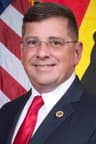
Senator · District 3

Senator · District 22
Senator · District 45

Senator · District 25
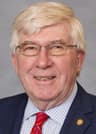
Senator · District 21
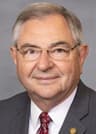
Senator · District 12

Senator · District 49

Senator · District 32

Senator · District 43

Senator · District 36

Senator · District 44

Senator · District 24

Senator · District 38

Senator · District 16

Senator · District 47

Senator · District 40
Vote Breakdown (3 roll calls)
This bill was signed into law.
Final Vote
On: Second Reading
Party Breakdown