Plain English Summary
The Law and Order Act makes multiple changes to North Carolina criminal law, including increasing penalties for assaults on utility workers and street racing, creating new offenses for possessing explosives, stealing gift cards, and possessing embalming fluid, enhancing burglary sentences when firearms are involved, and establishing workplace protections against mass picketing. The bill also adds a mitigating factor for impaired driving cases where defendants voluntarily install ignition interlock systems before trial, and shortens the waiting period for misdemeanor expunction from five to three years.
Arguments in Favor
Supporters argue this bill enhances public safety by strengthening penalties for violent crimes and crimes that harm essential workers like utility employees who are injured while providing services to the community. They contend that the firearm enhancements during felonies and increased street racing penalties address gun violence and reckless driving deaths. The workplace violence provisions protect employees from aggressive picketing that blocks access to workplaces, while the gift card theft provisions address organized retail theft rings. The ignition interlock mitigating factor incentivizes defendants to voluntarily equip vehicles with safety systems before trial, potentially reducing impaired driving incidents.
Arguments Against
Opponents may argue that increased penalties alone do not necessarily deter crime without addressing root causes. Some civil liberties advocates could be concerned that workplace violence provisions targeting mass picketing might restrict lawful labor protest activity, despite protections for peaceful assembly. Critics might question whether the embalming fluid offense is appropriately severe at the felony level. Others may view the shortened misdemeanor expunction timeline as potentially limiting rehabilitation opportunities for individuals who have served their sentences. Additionally, some may argue that mandatory sentencing enhancements reduce judicial discretion in cases with unique circumstances.
AI-generated analysis based on bill text. Always verify with official sources at ncleg.gov. This is not legal or political advice.
Sponsors

Primary Sponsor
Senator · District 29
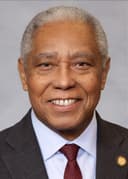
Primary Sponsor
Senator · District 14

Primary Sponsor
Senator · District 24
Cosponsors (9)

Senator · District 13

Senator · District 1

Senator · District 39

Senator · District 2

Senator · District 48

Senator · District 41

Senator · District 38

Senator · District 16

Senator · District 47
Vote Breakdown (5 roll calls)
This bill was signed into law.
Final Vote
On: C RPT Adoption
Party Breakdown