Plain English Summary
This bill directs the North Carolina Institute of Medicine to conduct a comprehensive study on the advantages and disadvantages of legalizing medical aid in dying (MAID) in North Carolina, with findings due by April 1, 2027. The study will examine how MAID operates in the 11 U.S. jurisdictions where it is currently legal, including applicant processes, safeguards, patient demographics, and impacts on families and healthcare systems. The bill appropriates $150,000 for the study and requires at least one public hearing for community input.
Arguments in Favor
Supporters argue that this study will provide North Carolina with evidence-based information to make an informed policy decision about end-of-life options for terminally ill patients. They point to data from existing MAID states showing low utilization rates (under 0.75%), no documented cases of abuse or coercion in 50 years combined, and note that many applicants find comfort in having the option even if they don't use it. Proponents believe this research will help ensure any potential future legislation includes appropriate safeguards to protect vulnerable populations.
Arguments Against
Opponents worry that commissioning this study signals intent to eventually legalize MAID and may reflect a predetermined outcome rather than neutral inquiry. They raise concerns about vulnerable populations—including people with disabilities, the elderly, or economically disadvantaged individuals—potentially feeling pressured to choose death rather than burden families or access expensive care. Critics also emphasize religious and moral objections to MAID and question whether studying legalization in other states adequately addresses North Carolina's unique cultural, religious, and healthcare context.
AI-generated analysis based on bill text. Always verify with official sources at ncleg.gov. This is not legal or political advice.
Sponsors
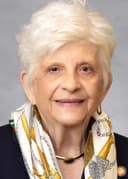
Primary Sponsor
Representative · District 77

Primary Sponsor
Representative · District 115

Primary Sponsor
Representative · District 75

Primary Sponsor
Representative · District 61
Cosponsors (16)
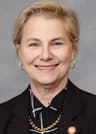
Representative · District 18

Representative · District 100
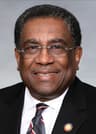
Representative · District 48

Representative · District 30

Representative · District 102
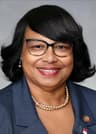
Representative · District 8

Representative · District 72

Representative · District 49
Representative · District 50

Representative · District 56

Representative · District 45

Representative · District 76

Representative · District 88

Representative · District 11

Representative · District 116

Representative · District 103