Plain English Summary
This bill increases healthcare price transparency and protects consumers from unexpected medical bills by requiring hospitals to publicly disclose pricing for common procedures, mandating advance notice of out-of-network providers, limiting facility fees, and establishing good-faith cost estimates for scheduled procedures. It also strengthens insurance appeals processes and removes requirements for certificate-of-need approval for rehabilitation facilities.
Arguments in Favor
Supporters argue the bill helps patients make informed healthcare decisions by providing clear pricing information, which increases competition and may lower costs. It protects consumers from surprise bills and unexpected out-of-network charges. The bill also establishes fair billing practices by requiring itemized charges before collections and limiting facility fees charged by hospitals, while strengthening patient rights in insurance appeals.
Arguments Against
Opponents may contend that compliance costs for hospitals and insurers could be substantial and may ultimately increase healthcare expenses. Some argue that price transparency alone doesn't guarantee lower costs if patients lack practical ability to switch providers, and that facility fee restrictions could reduce hospital revenues needed for operations. Concerns exist about administrative burden of new reporting requirements and whether good-faith estimates accurately reflect final charges given medical uncertainties.
AI-generated analysis based on bill text. Always verify with official sources at ncleg.gov. This is not legal or political advice.
Sponsors

Primary Sponsor
Senator · District 25

Primary Sponsor
Senator · District 12

Primary Sponsor
Senator · District 10
Cosponsors (19)

Senator · District 31

Senator · District 46

Senator · District 1
Senator · District 34

Senator · District 33
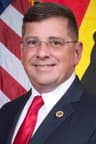
Senator · District 3
Senator · District 45

Senator · District 7

Senator · District 2

Senator · District 48

Senator · District 8

Senator · District 50

Senator · District 43

Senator · District 11

Senator · District 36

Senator · District 44

Senator · District 9

Senator · District 26

Senator · District 47
Vote Breakdown (2 roll calls)
Final Vote
On: Second Reading
Party Breakdown