Plain English Summary
This bill makes multiple changes to support working families in North Carolina. It lowers copayments for subsidized child care from 10% to 7% of family income, restores a state child tax credit, increases the minimum wage to $15/hour starting September 1, 2025 and allows cities/counties to set higher local minimum wages, expands property tax relief for homeowners, creates a down payment assistance program for first-time homebuyers in public service jobs (teachers, police, firefighters, military, medics), and establishes a paid family and medical leave insurance program funded through employer and employee payroll contributions.
Arguments in Favor
Supporters argue this bill reduces financial burdens on working and middle-income families through lower childcare costs, tax credits, and home-buying assistance. The minimum wage increase aims to improve earnings for low-wage workers while the paid family leave program helps workers manage medical emergencies and family care without losing income. The public servant homebuyer assistance targets recruitment and retention of teachers, police, firefighters, and other essential workers. Together, these provisions address housing affordability, childcare expenses, and work-life balance challenges.
Arguments Against
Opponents may argue the minimum wage increase to $15/hour could raise labor costs for businesses, potentially leading to job cuts or reduced hours, especially for small businesses. The paid family leave program requires employer payroll contributions that could increase business expenses and compliance burdens. The $150 million appropriation for homebuyer assistance and $19-30 million for employer grants represent significant state spending. Some may question whether mandated paid leave will be adequately funded or sustainable, and whether targeted assistance for public servants is equitable compared to other professions.
AI-generated analysis based on bill text. Always verify with official sources at ncleg.gov. This is not legal or political advice.
Sponsors

Primary Sponsor
Senator · District 13

Primary Sponsor
Senator · District 42
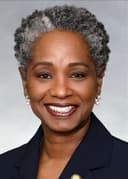
Primary Sponsor
Senator · District 19
Cosponsors (16)
Senator · District 23

Senator · District 15

Senator · District 39

Senator · District 22

Senator · District 27

Senator · District 20
Senator · District 5

Senator · District 17
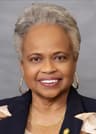
Senator · District 28

Senator · District 49

Senator · District 32
Senator · District 18

Senator · District 41

Senator · District 38

Senator · District 16

Senator · District 40