Plain English Summary
This bill creates a pilot program that provides grants to small and mid-sized North Carolina employers (20-1,500 employees) to help pay for employee training programs. Eligible employers can receive up to $2,000 per trainee or 50% of training costs (whichever is less), with a maximum of $40,000 per year, to fund training that improves worker skills, increases wages, or reduces turnover.
Arguments in Favor
Supporters argue this bill addresses skills gaps by funding training in industries where community colleges lack programs or where most training happens on-the-job without formal education. The program aims to help employers retain workers, increase wages, and fill job openings—boosting economic development while workers gain valuable skills. The focus on employers with 20-1,500 employees targets small and mid-sized businesses that may lack resources for extensive training programs.
Arguments Against
Opponents may worry about the program's cost to state taxpayers and whether $40,000 per employer annually is enough to meaningfully impact workforce development statewide. Others might question whether grants should go directly to workers rather than employers, or whether the first-come, first-served funding method fairly distributes resources across different regions and industries. Some may also be concerned about adequate oversight to ensure training leads to promised outcomes like job creation or wage improvements.
AI-generated analysis based on bill text. Always verify with official sources at ncleg.gov. This is not legal or political advice.
Sponsors
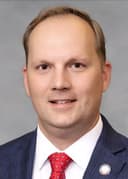
Primary Sponsor
Representative · District 25

Primary Sponsor
Representative · District 67

Primary Sponsor
Representative · District 97
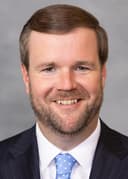
Primary Sponsor
Representative · District 91
Cosponsors (23)
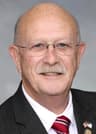
Representative · District 5

Representative · District 100

Representative · District 95
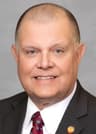
Representative · District 19
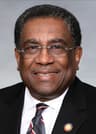
Representative · District 48
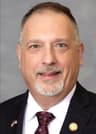
Representative · District 93
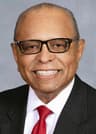
Representative · District 99
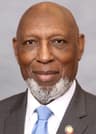
Representative · District 23

Representative · District 68
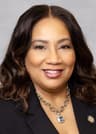
Representative · District 72
Representative · District 40
Representative · District 47
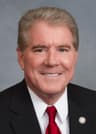
Representative · District 63
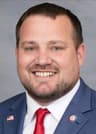
Representative · District 52
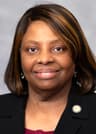
Representative · District 45
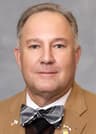
Representative · District 84

Representative · District 105
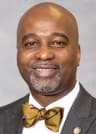
Representative · District 31
Representative · District 60
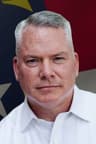
Representative · District 83

Representative · District 32

Representative · District 113
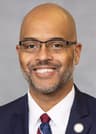
Representative · District 104
Vote Breakdown (1 roll call)
Final Vote
On: Second Reading
Party Breakdown