Plain English Summary
This bill creates two new regulatory frameworks for North Carolina: the Digital Asset Financial Act, which allows state banks and credit unions to provide cryptocurrency custody, staking, and transaction services for customers, and the North Carolina Stablecoin Act, which creates a licensing system for companies that want to issue stablecoins (digital assets designed to maintain a fixed value, typically pegged to the U.S. dollar). Both frameworks include detailed requirements for customer protection, reserve management, and regulatory oversight.
Arguments in Favor
Supporters argue this bill positions North Carolina as a leader in financial innovation and cryptocurrency regulation, attracting blockchain companies and jobs to the state. The bill protects consumers through strict reserve requirements (100% backing), annual audits, cybersecurity standards, and anti-money laundering compliance. It allows traditional financial institutions to offer digital asset services, which could make cryptocurrency more accessible and safer for ordinary customers. Stablecoin issuers gain a clear regulatory pathway while being required to maintain full reserves and allow unrestricted redemptions at par value.
Arguments Against
Opponents may worry that this bill legitimizes and accelerates cryptocurrency adoption before potential federal standards are finalized, potentially creating fragmented state-by-state rules. The stablecoin licensing framework could concentrate systemic financial risk if large stablecoin issuers fail. Some may be concerned about the complexity of enforcement, the potential for regulatory arbitrage where companies exploit differences between state rules, and whether state regulators have sufficient expertise to oversee emerging digital asset technologies. The 100% reserve requirement, while protective, might be difficult or impossible for some assets to maintain.
AI-generated analysis based on bill text. Always verify with official sources at ncleg.gov. This is not legal or political advice.
Sponsors
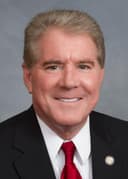
Primary Sponsor
Representative · District 63

Primary Sponsor
Representative · District 68

Primary Sponsor
Representative · District 25

Primary Sponsor
Representative · District 35
Cosponsors (9)

Representative · District 70

Representative · District 6

Representative · District 15

Representative · District 65

Representative · District 76

Representative · District 59
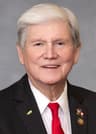
Representative · District 4

Representative · District 13

Representative · District 82
Vote Breakdown (1 roll call)
Final Vote
On: Second Reading
Party Breakdown