Plain English Summary
This comprehensive education bill aims to improve North Carolina schools through four main areas: (1) increasing teacher recruitment, retention, and compensation; (2) improving school leadership through principal salary increases and support programs; (3) reforming school funding to provide more resources to disadvantaged students and children with disabilities; and (4) expanding pre-kindergarten and early childhood education programs. The bill appropriates over $3.7 billion for these initiatives for fiscal year 2026-2027.
Arguments in Favor
Supporters argue this bill addresses critical teacher shortages and low pay that prevent qualified educators from entering or staying in North Carolina schools. The increased teacher compensation, alternative pathway programs, and support initiatives could improve recruitment and retention, particularly in low-performing schools. Proponents also emphasize that expanded pre-K programs and early childhood services create stronger educational foundations, that weighted funding for students with disabilities and disadvantaged students addresses equity gaps, and that capital bonds for school facilities address long-neglected infrastructure needs. The bill's focus on diverse teacher pipelines and support for struggling schools addresses systemic educational inequities.
Arguments Against
Opponents may argue the bill's large appropriations ($3.7+ billion) significantly increase state spending and could impact the budget for other priorities. Some may question whether all proposed initiatives will effectively improve student outcomes or whether funds could be used more efficiently. Critics might also express concerns about the complexity of multiple new programs and studies, worry that higher teacher salaries alone won't solve performance issues without accountability measures, or question whether the pre-K expansion is the best use of limited education dollars compared to K-12 investments. Additionally, some may worry about unfunded mandates or implementation challenges for local school districts adapting to numerous changes.
AI-generated analysis based on bill text. Always verify with official sources at ncleg.gov. This is not legal or political advice.
Sponsors

Primary Sponsor
Representative · District 49

Primary Sponsor
Representative · District 31

Primary Sponsor
Representative · District 36

Primary Sponsor
Representative · District 115
Cosponsors (37)

Representative · District 102

Representative · District 61
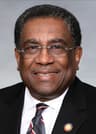
Representative · District 48
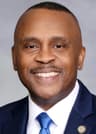
Representative · District 54

Representative · District 116

Representative · District 88

Representative · District 58

Representative · District 18

Representative · District 30

Representative · District 11

Representative · District 104

Representative · District 101
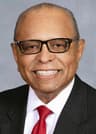
Representative · District 99

Representative · District 29

Representative · District 66

Representative · District 72

Representative · District 92
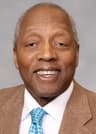
Representative · District 38

Representative · District 56
Representative · District 8

Representative · District 71

Representative · District 41

Representative · District 45

Representative · District 21

Representative · District 34

Representative · District 50

Representative · District 114

Representative · District 57

Representative · District 32

Representative · District 100

Representative · District 98

Representative · District 33

Representative · District 112

Representative · District 27

Representative · District 24
Representative · District 40
Representative · District 60