Plain English Summary
This bill allocates $2.6 million to public schools for quantum computing and STEM education programs, establishes a $200,000 grant program through the North Carolina Collaboratory to connect high school students with university quantum computing research, and creates a tax credit up to $100,000 for businesses in defense, technology, and quantum sectors that invest in educational partnerships with high school students.
Arguments in Favor
Supporters argue this bill addresses a critical workforce gap in quantum computing, an emerging technology vital to national security and economic competitiveness. They contend that early exposure through school partnerships and business collaborations will prepare North Carolina students for high-paying careers while strengthening the state's position as a technology and innovation leader. The tax credit incentivizes private sector investment in education without relying solely on public funds.
Arguments Against
Opponents may argue that the bill concentrates significant funding in specific regions (military bases, Research Triangle area) rather than distributing resources statewide, potentially widening educational disparities. Critics could also question whether a tax credit for businesses that already benefit from government contracts represents an efficient use of public revenue, and whether the program's effectiveness can be adequately measured given the one-year timeframe and reporting requirements.
AI-generated analysis based on bill text. Always verify with official sources at ncleg.gov. This is not legal or political advice.
Sponsors
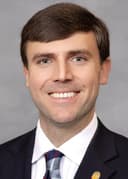
Primary Sponsor
Representative · District 44
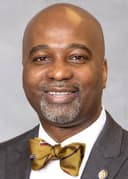
Primary Sponsor
Representative · District 31
Cosponsors (18)
Representative · District 8
Representative · District 48

Representative · District 112

Representative · District 71

Representative · District 42

Representative · District 41
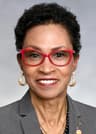
Representative · District 50
Representative · District 40
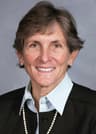
Representative · District 61
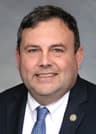
Representative · District 114

Representative · District 100
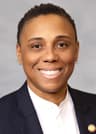
Representative · District 29
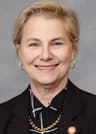
Representative · District 18
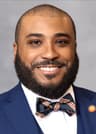
Representative · District 92
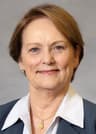
Representative · District 88

Representative · District 32
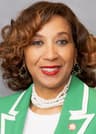
Representative · District 101
Representative · District 11