Plain English Summary
This bill makes three main changes: (1) it modifies how electric utilities recover fuel costs by requiring them to share 80% of fuel cost increases with customers while absorbing 20% of increases themselves, and share 20% of fuel cost savings with shareholders while crediting 80% to customers; (2) it creates a voluntary "Bring Your Own Generation" program allowing large businesses to install their own power generation on-site, connect it to the grid, and potentially sell excess power back; and (3) it appropriates $35 million to the Workforce Housing Loan Program.
Arguments in Favor
Supporters argue this bill protects consumers by requiring utilities to share the financial burden when fuel costs rise unexpectedly, creating accountability for utility management decisions. They contend the BYOG program encourages businesses to invest in renewable energy and reduces pressure on the electrical grid by allowing large customers to generate their own power, potentially lowering infrastructure costs for all ratepayers. The workforce housing funding addresses affordability concerns for middle-income workers.
Arguments Against
Opponents may argue that the fuel cost sharing mechanism could discourage utilities from investing in infrastructure improvements since they bear some cost risk, potentially affecting service reliability. They contend the BYOG program primarily benefits large industrial customers who can afford expensive on-site generation, while working to ensure residential customers don't subsidize these businesses' private power systems. Some may question whether $35 million adequately addresses housing affordability needs statewide.
AI-generated analysis based on bill text. Always verify with official sources at ncleg.gov. This is not legal or political advice.
Sponsors
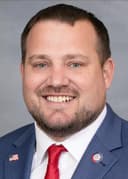
Primary Sponsor
Representative · District 52
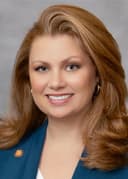
Primary Sponsor
Representative · District 37

Primary Sponsor
Representative · District 35
Cosponsors (10)
Representative · District 84
Representative · District 95
Representative · District 5
Representative · District 63
Representative · District 41
Representative · District 109
Representative · District 61

Representative · District 100

Representative · District 57
Representative · District 96