E-Bike Definitions/Local Safety Regulation
Plain English Summary
This bill clarifies North Carolina's definition of electric-assisted bicycles by creating three classes based on motor power and speed capabilities (Class 1: pedal-assist up to 20 mph; Class 2: throttle-assist up to 20 mph; Class 3: pedal-assist up to 28 mph). It allows cities and counties to regulate e-bike use on local roads and paths, and requires helmet use for riders under 18 on Class 3 e-bikes statewide, while allowing local helmet requirements for Classes 1 and 2.
Arguments in Favor
Supporters argue this bill provides needed clarity on e-bike standards, bringing North Carolina into alignment with federal classifications used in other states. They contend that giving local governments flexibility to regulate e-bikes on their own roads and paths allows communities to balance safety concerns with recreational and transportation benefits, particularly protecting vulnerable users on shared paths. The $100,000 for safety education addresses public awareness about proper e-bike operation.
Arguments Against
Opponents may worry that fragmenting regulations across different cities and counties creates confusion for e-bike riders traveling between jurisdictions and adds compliance burdens. Some may argue that Class 3 e-bikes (reaching 28 mph) pose safety risks that warrant statewide helmet requirements for all riders, not just those under 18, and question whether local restrictions could effectively discourage higher-powered e-bikes from shared paths. There is also concern that the bill grants broad regulatory power to local governments without establishing clear statewide safety standards.
AI-generated analysis based on bill text. Always verify with official sources at ncleg.gov. This is not legal or political advice.
Sponsors

Cosponsors (15)
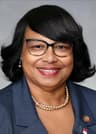
Representative · District 8

Representative · District 45

Representative · District 102

Representative · District 112

Representative · District 71

Representative · District 42
Representative · District 40
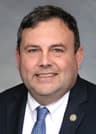
Representative · District 114

Representative · District 100
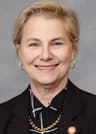
Representative · District 18

Representative · District 57
Representative · District 60
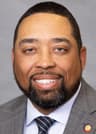
Representative · District 2
Representative · District 101

Representative · District 34